
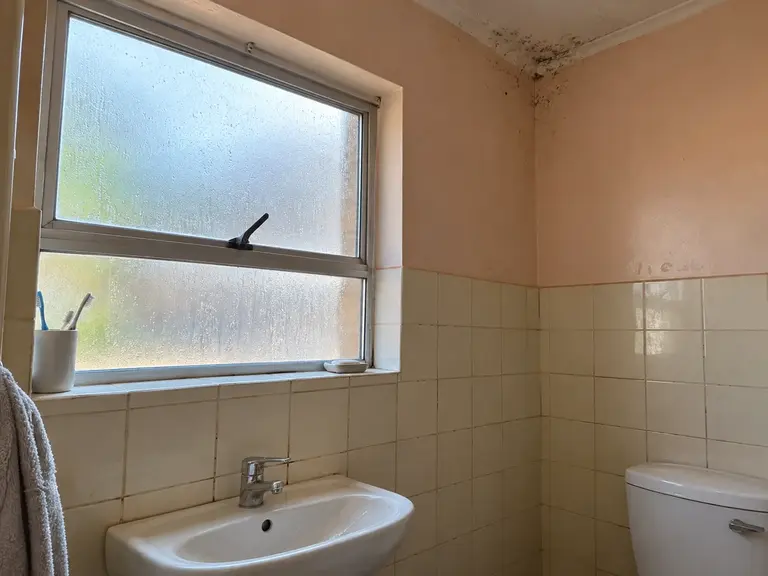
How moisture reaches a cold surface
Cooking, bathing, drying laundry and ordinary occupation add water vapour to indoor air. Condensation can form when moist air meets a sufficiently cold surface. On glass it may appear as droplets; porous finishes can absorb moisture, making the pattern less obvious. A room can therefore have a moisture problem without a constantly wet window.
Cold corners, window reveals and spaces behind furniture deserve attention because surface temperature and restricted air movement may contribute. Still, mould or a dark patch alone does not establish condensation as the only cause. Leaks, rain entry and other building defects must remain part of the investigation.
Ventilation is part of the building system
Moisture needs a suitable route out of the home. Use existing extraction and ventilation as intended, and follow the equipment manufacturer's operating and maintenance instructions. Keep intended air paths unobstructed. A recirculating cooker hood is not the same as extraction that removes moisture outdoors; the actual arrangement should be checked.
Opening windows may help when conditions, security and weather allow, but it is not a complete specification for every property. Fan performance, replacement air, cold surfaces and any alterations to the building should be considered together. A competent assessment can establish whether existing ventilation works and whether an upgrade is appropriate.
Look beyond surface treatment
Record where and when the problem returns, whether it follows showers or cooking, and whether rain affects it. Useful assessment information can include air humidity, temperature, surface conditions and the condition of the building. A single humidity reading taken during one visit may miss an intermittent pattern.
Removing a visible patch does not correct an ongoing moisture source. Likewise, repainting or buying a dehumidifier does not prove that the underlying cause has been addressed. Do not treat the problem as evidence that an occupant has done something wrong; building design, maintenance and practical limits on ventilation can matter.
Agree the next step
Persistent or extensive growth warrants prompt assessment of the moisture source and a suitable remediation plan. Overberg Damp can discuss the building-moisture concern and identify when another competent specialist is needed. Agree the scope and any visit fees before the assessment.